Becoming a Hunting Guide: A Comprehensive Plan
Embarking on a career as a hunting guide demands dedication, encompassing formal education – often a Bachelor’s degree – alongside practical skills and state licensing procedures․
The role of a hunting guide is multifaceted, extending far beyond simply leading clients to game․ It’s a profession deeply rooted in wilderness expertise, client safety, and ethical hunting practices․ Aspiring guides must possess an intimate understanding of wildlife behavior, terrain navigation, and the intricacies of hunting regulations․ Successful hunting guides blend practical outdoor skills with strong interpersonal abilities, effectively communicating with clients while ensuring a safe and rewarding experience․
Becoming a guide often necessitates a blend of formal education and hands-on experience․ While a degree isn’t always mandatory, many pursue studies in wildlife management, business, or related fields․ Crucially, guides must be adept at wilderness logistics, including camp setup and secure load handling – particularly when utilizing pack animals like horses and mules․ The ability to confidently manage these aspects is paramount, as a poorly secured load can create dangerous situations in challenging terrain․ Ultimately, a hunting guide serves as an educator, protector, and facilitator of memorable outdoor adventures․
Essential Skills for Hunting Guides
A successful hunting guide requires a diverse skillset, blending wilderness proficiency with client-focused expertise․ Core competencies include advanced navigation, proficient marksmanship, and a comprehensive understanding of wildlife behavior and habitat․ Equally vital is the ability to establish and maintain wilderness camps, ensuring client comfort and safety in remote locations․ This extends to mastering essential knot-tying techniques for secure load management, particularly when utilizing horses or mules for transporting gear․
Beyond technical skills, strong communication and interpersonal abilities are paramount․ Guides must effectively convey safety protocols, hunting strategies, and ethical considerations to clients․ Business acumen is also crucial, encompassing marketing skills and a grasp of legal liabilities․ A significant portion of the role involves expertly balancing and securing panniers on pack animals, preventing dangerous incidents caused by shifting loads on challenging terrain․ Ultimately, a blend of practical expertise and people skills defines the essential qualities of a capable hunting guide․
Physical Fitness and Wilderness Survival
The demanding nature of guiding necessitates exceptional physical conditioning․ Hunting guides routinely navigate rugged terrain, often carrying substantial loads over extended distances․ Stamina, strength, and agility are not merely beneficial, but essential for ensuring both personal safety and the well-being of clients; Wilderness survival skills form the bedrock of this profession; proficiency in shelter building, fire starting, and sourcing potable water are non-negotiable․
Furthermore, a deep understanding of first aid and emergency medical procedures is critical, as immediate response capabilities can be life-saving in remote environments․ Guides must be adept at assessing and mitigating risks, anticipating potential hazards, and adapting to unpredictable weather conditions․ The ability to remain calm and resourceful under pressure is paramount․ This preparedness extends to understanding how to manage pack animals safely, especially in challenging landscapes where a horse wreck could be catastrophic due to unstable loads and difficult terrain․
Understanding Wildlife Behavior
A successful hunting guide possesses an intimate knowledge of the animals they pursue․ This extends far beyond identifying species; it requires a nuanced understanding of their habits, migration patterns, feeding behaviors, and social structures․ Predicting animal movements is crucial for successful hunts, demanding keen observational skills and the ability to interpret subtle signs – tracks, scat, rubs, and vocalizations․
Moreover, ethical guiding necessitates a deep respect for wildlife and a commitment to fair chase principles․ Understanding animal stress levels and minimizing disturbance are paramount․ Guides must be able to accurately assess animal health and age, ensuring hunts are conducted responsibly and sustainably․ This knowledge isn’t simply academic; it’s honed through countless hours spent in the field, observing and learning from the natural world, and adapting strategies based on real-time animal responses․
Hunting Regulations and Ethics
Navigating the complex landscape of hunting regulations is non-negotiable for any aspiring guide․ A thorough understanding of state-specific laws, season dates, bag limits, and legal hunting methods is essential to avoid legal repercussions and maintain a professional reputation․ Guides must stay current with evolving regulations, often requiring annual updates and continuing education․
Beyond legal compliance, ethical conduct forms the bedrock of responsible guiding․ This includes prioritizing hunter safety, practicing fair chase principles, and promoting wildlife conservation․ Guides are ambassadors for the hunting community and must demonstrate respect for landowners, fellow hunters, and the environment․ Upholding a strong ethical code builds trust with clients and contributes to the long-term sustainability of hunting as a valuable resource․
Education and Training
Formal education, such as degrees in wildlife management or business, coupled with certifications like First Aid/CPR, are crucial steps toward becoming a skilled hunting guide․
Formal Education Options: Degrees & Majors
Aspiring hunting guides benefit significantly from pursuing higher education, though specific requirements vary by state․ A Bachelor’s degree is commonly held by professionals in this field, with popular majors including Wildlife Management, Biology, and Natural Resources․ These programs provide a strong foundation in animal behavior, ecology, and conservation practices – all vital for responsible guiding․
However, a business-related degree can also prove invaluable․ Understanding marketing, client relations, and the legal aspects of operating a guiding service are essential for success․ Approximately 55% of hunting guides possess a Bachelor’s degree, while around 19% hold an Associate’s degree, demonstrating the value of formal qualifications․
Coursework in areas like wilderness first aid, map and compass navigation, and hunting techniques will further enhance a candidate’s preparedness․ While a degree isn’t always mandatory, it often provides a competitive edge and demonstrates a commitment to professionalism within the industry․
Wildlife Management Programs
Dedicated Wildlife Management programs are exceptionally beneficial for those aiming to become hunting guides, offering specialized knowledge directly applicable to the profession․ These curricula delve into the intricacies of animal populations, habitat management, and conservation strategies, equipping guides with a deep understanding of the ecosystems they operate within․
Students learn to assess wildlife health, interpret tracking data, and implement sustainable hunting practices․ Crucially, these programs often incorporate coursework on hunting regulations and ethical considerations, ensuring guides operate responsibly and legally․ Practical field experience is a cornerstone of these programs, providing hands-on opportunities to apply learned concepts․
Graduates emerge with a comprehensive skillset, prepared to navigate the complexities of wildlife interactions and provide clients with informed, ethical hunting experiences․ Such specialized education significantly enhances a guide’s credibility and effectiveness in the field, fostering trust with both clients and regulatory bodies․
Business and Marketing Education
While a passion for the outdoors is essential, succeeding as a hunting guide necessitates strong business acumen․ Formal education in business and marketing provides the foundational skills to operate a hunting guide service effectively․ This includes understanding financial management, budgeting, and pricing strategies to ensure profitability․
Marketing courses are crucial for attracting clients, teaching guides how to develop a brand, utilize online platforms, and create compelling promotional materials․ Understanding customer relationship management (CRM) is also vital for building a loyal client base․ Legal aspects of running a business, such as contracts and liability, are often covered as well․
Essentially, business education transforms a skilled outdoorsman into a successful entrepreneur, capable of navigating the competitive landscape and establishing a sustainable hunting guide operation․ It complements wildlife knowledge with the practical skills needed for long-term success․
First Aid and CPR Certification
Prioritizing client safety is paramount for any hunting guide, making First Aid and CPR certification non-negotiable qualifications․ Wilderness environments present unique challenges, demanding a higher level of medical preparedness than standard certifications․ Comprehensive training should cover injury management, including sprains, fractures, and hypothermia, common occurrences during hunts․
CPR certification equips guides to respond effectively to cardiac arrest or respiratory emergencies, potentially life-saving skills in remote locations where immediate medical assistance is unavailable․ Wilderness First Responder (WFR) or Wilderness Advanced First Aid (WAFA) courses are highly recommended, offering specialized training tailored to backcountry scenarios․
These certifications demonstrate a commitment to client well-being and are often prerequisites for obtaining hunting guide licenses․ Regularly updating certifications ensures guides maintain proficiency in the latest emergency medical protocols, reinforcing their ability to handle critical situations confidently and competently․
Licensing and Permits
Securing the necessary licenses from the Department of Land and Natural Resources is crucial; requirements vary by state, often involving applications and adherence to regulations․
State-Specific Licensing Requirements
Navigating the landscape of hunting guide licensing demands a meticulous understanding of each state’s unique regulations․ Requirements aren’t uniform; they differ significantly, impacting the pathway to becoming a legal and reputable guide․ Generally, aspiring guides must meet specific criteria related to residency, age, and a demonstrable history of safe hunting practices․
Applications, typically available through the state’s Department of Fish and Wildlife (or equivalent agency), require detailed information about the applicant’s experience, qualifications, and proposed guiding operations․ Background checks are standard procedure, ensuring the applicant doesn’t have a criminal record that would disqualify them․ Many states mandate successful completion of a hunting safety course and may require proof of liability insurance․
Furthermore, some states categorize guiding services based on the type of game hunted or the terrain covered, leading to tiered licensing structures․ Guides operating in more challenging environments or specializing in dangerous game may face stricter requirements․ Thorough research into the specific regulations of the intended operating state is paramount before investing time and resources into the licensing process․
Hawaii Department of Land and Natural Resources Licensing
To legally operate as a hunting guide in Hawaii, securing a license from the Department of Land and Natural Resources (DLNR) is absolutely essential․ This process involves obtaining applications directly from any Division of Forestry and Wildlife (DOFAW) offices located throughout the islands․ The DLNR meticulously oversees the regulation of hunting activities, ensuring both conservation and responsible guiding practices․
Applicants should anticipate a detailed application process, likely requiring comprehensive documentation of hunting experience, knowledge of Hawaiian wildlife, and adherence to all state hunting laws․ Expect scrutiny regarding safety protocols and a commitment to ethical hunting standards; The DLNR prioritizes the preservation of Hawaii’s unique ecosystem and expects guides to act as stewards of the land․
It’s crucial to stay updated on any changes to licensing requirements, as regulations can evolve․ Direct communication with DOFAW offices is recommended to clarify any uncertainties and ensure a smooth application experience․ Successful licensing signifies a commitment to responsible hunting and a dedication to providing safe, ethical experiences for clients․
Reciprocity Agreements Between States
Navigating the landscape of hunting guide licensing can become complex when considering opportunities across state lines․ While a universal, nationwide standard doesn’t exist, some states have established reciprocity agreements, allowing guides licensed in one state to operate within another under certain conditions․ These agreements are designed to streamline the process for experienced guides and promote consistency․
However, reciprocity isn’t automatic․ Typically, it requires demonstrating substantial equivalency between licensing requirements․ This often involves submitting proof of existing licenses, experience, and adherence to comparable ethical and safety standards․ Guides should proactively research the specific reciprocity policies of any state where they intend to work․
It’s vital to understand that reciprocity agreements are not widespread․ Many states maintain independent licensing procedures, necessitating guides to fulfill all local requirements, even if already licensed elsewhere․ Thorough investigation and direct communication with the relevant state wildlife agencies are crucial to avoid legal complications and ensure compliance․
Insurance Requirements for Hunting Guides
Operating as a hunting guide inherently involves risks, making adequate insurance coverage absolutely essential․ General liability insurance is a cornerstone, protecting against claims of bodily injury or property damage sustained by clients during guided hunts․ Coverage amounts vary by state and the scope of services offered, but substantial limits are generally recommended․
Beyond general liability, professional liability insurance (also known as errors and omissions insurance) is crucial․ This safeguards against claims arising from alleged negligence or mistakes in guiding services․ Furthermore, commercial auto insurance is necessary if using vehicles for client transport․ Worker’s compensation insurance may be required if employing assistants or staff․
Carefully review state-specific regulations regarding insurance minimums and coverage types․ Some states may mandate specific endorsements or additional policies․ Consulting with an insurance broker specializing in outdoor recreation businesses is highly advisable to ensure comprehensive protection and compliance with all legal requirements․
Practical Skills and Experience
Mastering horsemanship, knot tying, camp setup, and hunting techniques are vital; guides must expertly pack gear and establish wilderness camps efficiently․
Horsemanship and Pack Animal Handling
Proficiency with horses and mules is frequently essential for hunting guides, particularly in remote wilderness areas where motorized transport is impractical or prohibited․ A guide must demonstrate exceptional skill in balancing and securely packing panniers, understanding the critical importance of properly secured loads․ This isn’t merely about convenience; a poorly secured load or improperly balanced panniers can lead to a horse wreck on challenging terrain․
Navigating steep slopes and dense forests demands a deep understanding of equine behavior and the potential for panic․ The ropes used to tether loads can exacerbate confusion during difficult situations․ Guides must be adept at anticipating potential problems and reacting swiftly to maintain control․ Furthermore, establishing and maintaining tent camps – a common practice on wilderness hunts – requires expertise in efficient camp setup, often relying heavily on pack animals for transporting supplies․ Therefore, comprehensive training in animal handling is paramount for aspiring hunting guides․
Camp Setup and Wilderness Logistics
A successful hunting guide excels in wilderness logistics, particularly the art of establishing functional and comfortable tent camps․ Since wilderness hunts frequently necessitate extended stays in remote locations, the ability to efficiently set up camp is crucial for both client comfort and operational success․ This extends beyond simply pitching tents; it involves careful site selection, considering factors like water sources, wind protection, and potential hazards․
Guides must be proficient in organizing camp layouts, managing food supplies, and ensuring proper sanitation․ Efficiently transporting all necessary equipment – often relying on pack animals – is a key component of this skill set․ Furthermore, anticipating potential logistical challenges, such as inclement weather or unexpected delays, and having contingency plans in place are vital․ Mastery of these skills demonstrates a guide’s preparedness and commitment to a safe and successful hunting experience for their clients․
Knot Tying and Load Security
Proficiency in knot tying and load security is absolutely paramount for any aspiring hunting guide, especially when utilizing horses or mules for transporting gear․ A guide must confidently balance and securely pack panniers, employing the correct knots to ensure loads remain tightly tethered during challenging terrain navigation․ The potential for a horse wreck due to improperly secured loads presents a significant danger, amplified by navigating through dense trees or steep inclines․
Understanding which knots are best suited for different applications – securing gear to pack animals, creating temporary shelters, or rigging lines – is essential․ Ropes, when used with pack animals, can contribute to confusion during difficult maneuvers․ A guide’s expertise in this area directly impacts the safety of both the animals and the clients, demonstrating a commitment to responsible wilderness practices and minimizing potential risks during the hunt․
Hunting Techniques and Strategies
A successful hunting guide possesses an extensive repertoire of hunting techniques and strategies, adapted to diverse game species and challenging environments․ This isn’t simply about personal hunting prowess; it’s about understanding how to effectively guide others to a successful and ethical hunt․ Mastery includes knowledge of tracking, scent control, calling methods, and proficiently utilizing various hunting equipment․
Guides must be adept at reading terrain, interpreting animal sign, and formulating strategies based on weather conditions and game behavior․ They need to be able to adjust plans on the fly, responding to changing circumstances while prioritizing client safety and maximizing their chances of a fair chase․ Furthermore, a guide’s ability to patiently instruct clients on proper shooting techniques and ethical hunting practices is crucial for a positive and memorable experience․
Client Management and Business Operations
Proficient client handling, robust marketing, legal awareness, and building a strong reputation are vital for a thriving hunting guide business and sustained success․
Communication and Interpersonal Skills
Exceptional communication is paramount for a hunting guide, extending far beyond simply conveying directions or safety instructions․ Guides must effectively connect with clients from diverse backgrounds, possessing varying levels of hunting experience and physical capabilities․ Active listening is crucial – understanding client expectations, concerns, and limitations ensures a safe and enjoyable hunt․
Beyond clear verbal communication, non-verbal cues and the ability to read body language are essential․ A skilled guide anticipates needs, proactively addresses anxieties, and fosters a comfortable, trusting relationship․ Patience and diplomacy are key when dealing with challenging personalities or unexpected situations in the field․ The ability to explain complex concepts in an accessible manner, whether regarding wildlife behavior, hunting techniques, or regulatory requirements, demonstrates expertise and builds confidence․
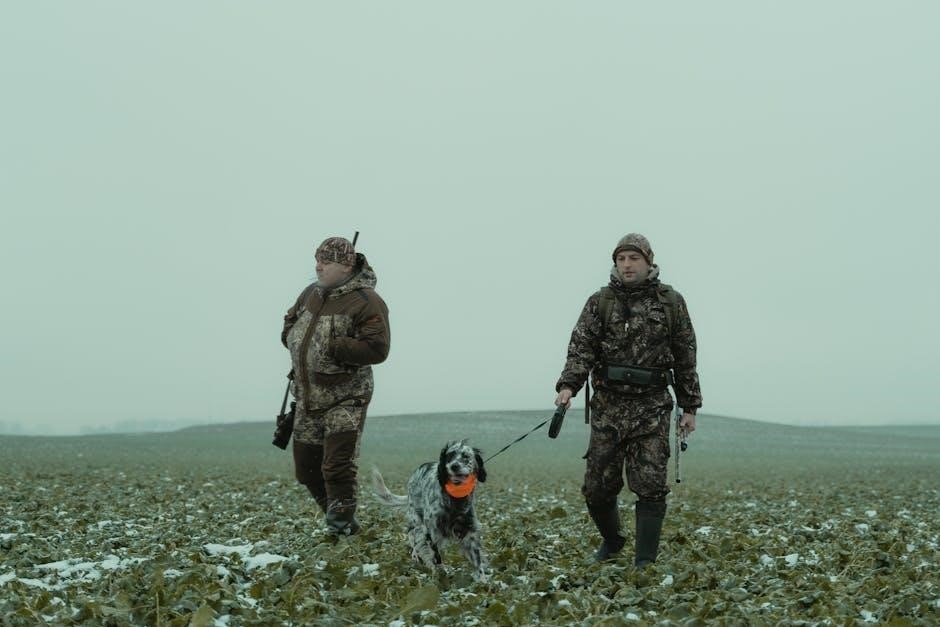
Furthermore, strong interpersonal skills contribute to conflict resolution, should disagreements arise within a hunting party․ A guide’s role often involves mediating discussions and ensuring a harmonious group dynamic․ Ultimately, positive interactions enhance the overall client experience, leading to repeat business and valuable word-of-mouth referrals․
Marketing Your Hunting Guide Services
Establishing a successful hunting guide business necessitates a robust marketing strategy․ A professional website is fundamental, showcasing your expertise, offered hunts, pricing, and client testimonials․ High-quality photographs and videos of successful hunts are invaluable, visually demonstrating your capabilities and the potential experiences you provide․
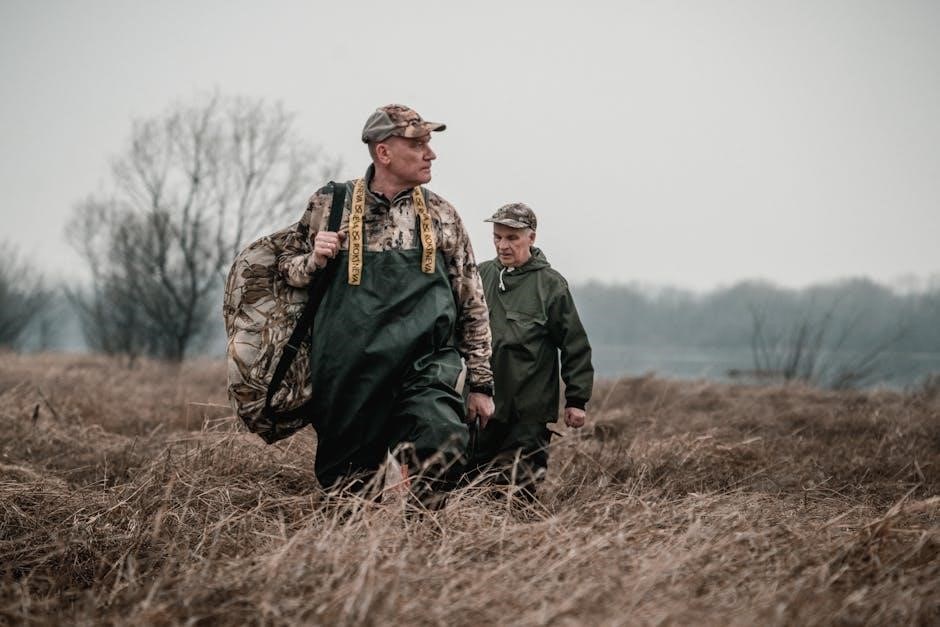
Leveraging social media platforms – Facebook, Instagram, and YouTube – allows for targeted advertising and engagement with potential clients․ Content should focus on showcasing your knowledge of the local terrain, wildlife, and hunting techniques․ Participating in relevant online forums and hunting communities builds credibility and expands your reach․
Networking with outfitters, sporting goods stores, and hunting organizations can generate referrals․ Consider attending hunting expos and trade shows to connect with prospective clients directly․ Building a strong reputation through exceptional service and ethical practices is the most effective long-term marketing strategy, fostering repeat business and positive word-of-mouth referrals within the hunting community․
Legal Considerations and Liability
Operating as a hunting guide introduces significant legal responsibilities and potential liabilities․ Comprehensive liability insurance is absolutely essential, protecting your business from claims arising from accidents, injuries, or property damage․ A well-drafted client waiver and release form is crucial, outlining inherent risks and acknowledging client understanding and assumption of those risks․
Adherence to all state and federal hunting regulations is paramount․ This includes possessing all required licenses and permits, and ensuring clients comply with all applicable laws regarding hunting seasons, bag limits, and ethical hunting practices․ Maintaining meticulous records of client information, permits, and harvested game is vital for legal compliance․
Consulting with a legal professional specializing in outdoor recreation and liability law is highly recommended․ They can advise on appropriate insurance coverage, waiver language, and best practices for minimizing legal risks; Proactive risk management, including thorough safety briefings and adherence to established safety protocols, is fundamental to protecting your business and clients․
Building a Reputation and Client Base
Establishing a strong reputation is paramount for success as a hunting guide․ Exceptional client experiences are the cornerstone of building a loyal client base, fostering positive word-of-mouth referrals․ Consistently delivering successful hunts, prioritizing client safety, and providing personalized service are key differentiators․
Effective marketing is crucial for reaching potential clients․ A professional website showcasing your services, experience, and success stories is essential․ Utilizing social media platforms to share hunting photos, videos, and testimonials can broaden your reach․ Networking with local sporting goods stores, hunting clubs, and conservation organizations can generate leads․
Soliciting client testimonials and reviews builds trust and credibility․ Offering competitive pricing and package deals can attract new clients․ Remember, repeat business is significantly more cost-effective than acquiring new clients, so prioritize client satisfaction above all else․ A solid reputation is your most valuable asset․